
Telehealth can be a convenient and effective way to manage many hand and upper limb conditions, but some injuries, assessments and treatments still require the hands-on expertise of an in-person appointment.
Hand injuries and conditions need the right type of care at the right time. Telehealth has made treatment more accessible and convenient, but not all hand therapy can be done effectively online.
A telehealth hand therapy appointment is a video or phone appointment with a qualified occupational therapist or physiotherapist.
How do you know if you can book a telehealth appointment?
I’ve had at least two in-person sessions to properly assess and guide my care.
I would like to discuss a recent x-ray, MRI or CT scan.
I am sick, unable to travel or overseas.
I don’t have another appointment for a couple of weeks but I’m experiencing more pain or stiffness.
I require exercise progression; technique checks or advice on activity modification.
I need a letter for work, sports club or school regarding my injury and/or progress.
Telehealth’s are convenient and great for busy schedules or limited mobility. They allow access to care from anywhere and provide real-time feedback. These appointments are available to support consistent progress and stop small aches and pains from turning into bigger setbacks. But not all hand therapy is suitable to be conducted online.
When do you really need to come in?
- I am a new patient, or I have a new injury (especially important after a fall, sports injury or surgery).
- I have a suspected fracture, tendon injury or nerve issue.
- I have significant pain, swelling or loss of movement. My symptoms are worsening.
- I require a custom thermoplastic splint or changes to my current splint.
- I require wound care, swelling management and/or assistance with joint mobility.
- I am within 6 weeks post-surgery.
Face-to-face care provides a hands-on assessment that can lead to a more accurate diagnosis. We can provide tailored treatments which may facilitate a faster recovery or reduce the risk of long-term issues. Additionally, we can better evaluate progress using tools in our clinics to measure your range or strength.
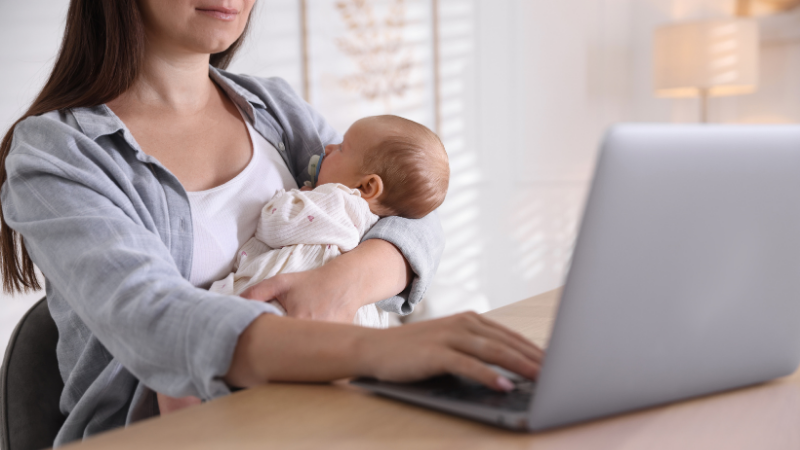
Ultimately, both telehealth and face-to-face hand therapy play an important role in recovery. Telehealth is a flexible and convenient way to stay on track and maintain progress between appointments. However, when a thorough assessment, hands-on treatment, or specialised care is needed, in-person sessions remain essential.
By working with your therapist to find the right balance, you can achieve the best possible outcome for your injury.
References
McCarron, L., Coombes, B. K., Bindra, R., & Bisset, L. (2023). Current rehabilitation recommendations following primary triangular fibrocartilage complex foveal repair surgery: a survey of Australian hand therapists. Journal of Hand Therapy, 36(4), 932-939.
Kirwan, T., Tooth, L., & Harkin, C. (2002). Compliance with hand therapy programs: therapists’ and patients’ perceptions. Journal of Hand Therapy, 15(1), 31-40.
Author
-
 View all posts Occupational Therapist
Paige Pfeiffer, an Occupational Therapy graduate from Monash University, specialises in health-related fields like human anatomy and client-centered care. She found her passion for hand therapy during her clinical placement at The Royal Children’s Hospital, motivated by its positive patient impact. Paige stays updated on hand therapy research and designs personalised rehabilitation programs.