Hypermobility support for safe movement, strength and confidence in people with HSD and EDS.
Hypermobility refers to joints that move beyond the normal range expected for a particular joint. When this occurs in the upper limb such as the shoulders, elbows, wrists, and fingers, it can sometimes lead to pain, instability, fatigue, and reduced function in everyday activities.
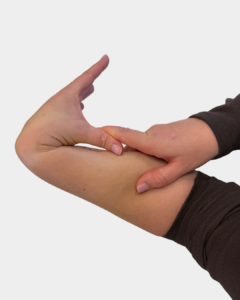
While many people with hypermobility experience no issues, others may develop symptoms associated with hypermobility spectrum disorders (HSD) or conditions like Ehlers-Danlos syndrome (EDS).
For individuals with symptomatic upper limb hypermobility, tasks such as typing, handwriting, gripping objects, lifting, or weight-bearing through the hands can become uncomfortable or difficult.
Recurrent sprains, joint subluxations, muscle fatigue, and overuse injuries are also common.
Common Challenges in Upper Limb Hypermobility
- Joint instability in the fingers, thumb, wrist, or elbow
- Pain with repetitive tasks (e.g., typing, writing, tool use)
- Grip weakness or early fatigue
- Difficulty maintaining joint alignment during functional tasks
- Increased risk of tendon irritation or soft tissue strain
How Hand Therapy Can Help
Specially trained in hand therapy, our occupational therapists and physiotherapists are equipped with advanced knowledge of conditions affecting the hand and upper limb. As an Occupational Therapist working in hand therapy, I have experience supporting individuals with upper limb hypermobility and related conditions with the primary goal of assisting them with management strategies and their goals.
I have treated a wide range of clients, from younger children through to adults, who experience hypermobility-related symptoms affecting their hands and upper limbs. My approach focuses on helping individuals better understand their condition, improve joint stability, and work towards achieving their personal goals, whether that’s improving comfort with school or work tasks, reducing pain, or returning to activities they enjoy.
Our team also includes physiotherapists trained in hand and upper limb rehabilitation, allowing us to provide a collaborative and comprehensive approach to care.
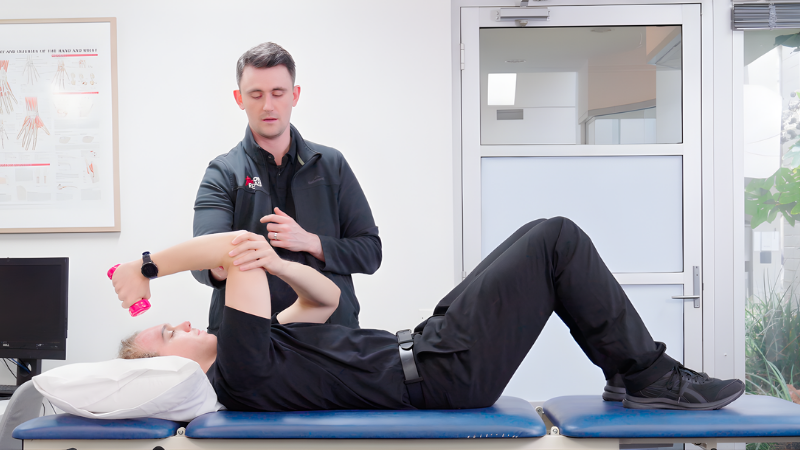
Some of the ways Hand Therapy can assist
2. Strength and Stability Programs
Targeted strengthening, particularly of the smaller stabilising muscles around the hand, wrist, and shoulder, can improve joint control and reduce symptoms. Exercises often focus on controlled movement and endurance rather than increasing flexibility.
Custom or prefabricated splints (such as finger or thumb supports) may help limit excessive joint movement, reduce pain, and improve function during specific activities.
4. Activity Modification and Ergonomics
Simple changes to workstation setup, writing tools, or daily task techniques can significantly reduce stress on hypermobile joints.
5. Pain and Fatigue Management
Supporting Long-Term Function
If you experience persistent hand, wrist, or upper limb discomfort related to hypermobility, consulting one of our experienced OT or Physios may help you better understand your joints and develop strategies to support long-term function.
References
- Sahin, N., et al. (2025). The effects of joint hypermobility on strength, proprioception, and functional performance. Scientific Reports.
- Lindholm, S., & Claesson, L. (2025). Wrist stabilising exercise versus hand orthotic intervention for persons with hypermobility: A randomised clinical trial. Clinical Rehabilitation, 39(1), 47–57.
- Jensen, A.-M., Andersen, J. Q., Quisth, L., & Ramstrand, N. (2021). Finger orthoses for management of joint hypermobility disorders: Relative effects on hand function and cognitive load. Prosthetics and Orthotics International, 45(1), 36–45.
Visit our page dedicated to understanding how Action Rehab can help you or your child manage hypermobility spectrum disorder (HSD) and hypermobile Ehlers-Danlos syndromes (hEDS). Getting you back to what matters most you.
Author
-
 View all posts Clinic Partner | Occupational Therapist
Lachlan is a senior Occupational Therapist passionate about helping people recover from upper‑limb injuries and return to daily life, work and sport. He stays current with evidence-based practice and enjoys AFL, local sport, soccer, basketball and exploring the Peninsula through spearfishing, bringing a down‑to‑earth, active perspective to patient care.