
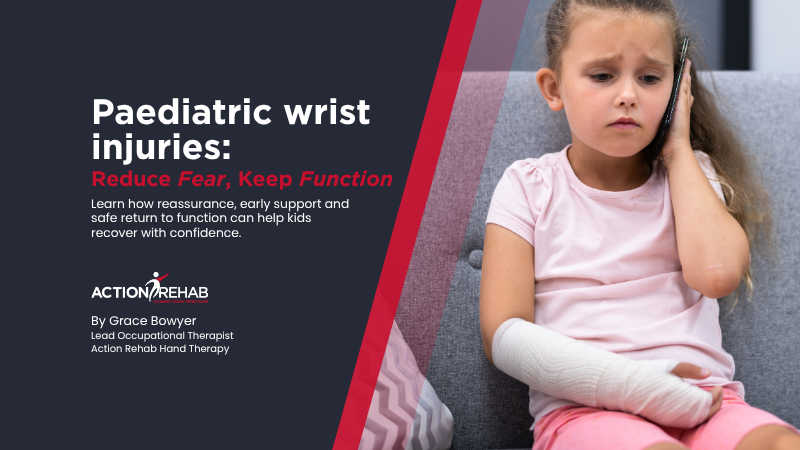
Paediatric Wrist Injuries: Reduce Fear, Keep Function
If your primary school aged child has hurt their wrist, it’s completely normal to feel worried. Wrists are small, complex joints, and when kids complain of pain, swelling, or stop using their hand, as a parent it is easy to jump to worst-case scenarios.
The good news? Most paediatric wrist injuries heal very well, and with the right approach, we can reduce fear, ensure confidence, and keep kids doing what they do best – being kids.
Why Wrist Injuries Are Common in Australian Children
Wrist and forearm injuries are one of the most frequent reasons Australian children are seen in emergency departments. According to the Australian Institute of Health and Welfare (AIHW), among children aged 5-14 years, the most common principal diagnosis for emergency department injury presentations in 2023-24 was fracture at the wrist and hand level, even more than other upper limb injuries.
Childhood Activity + Developing Bodies = Higher Injury Rates
Children are naturally active: running, climbing playground equipment, riding bikes, playing sport and using their hands to catch themselves during falls. These very activies increase the likelihood of:
- Falls onto outstretched hands, a leading mechanism of wrist injury.
- Fractures of the forearm and distal radius
Fractures Are a Leading Injury Type
In Australia, fractures are one of the top causes of hospital presentations in children. In 2021–22 data:
- 132,237 childhood injury emergency presentations were for fractures (about 22% of all injury presentations).
- The wrist and hand were the second most common body site for injury presentations among children about 18% after head and neck injuries.
This means that nearly 1 in 5 injury presentations in childhood involve the wrist or hand – a high figure compared with many other injuries.
Why Kids’ Wrists Are Vulnerable
Children’s bones are still growing, and this influences how and why injuries occur:
- The growth plates at the ends of long bones are less dense than the surrounding bone or ligaments, so low-impact falls that might only sprain an adult joint can instead cause a fracture near the wrist in a child.
- Their bones can bend more than adult bones. This often results in types of fracture unique to children, for example, torus (buckle) fractures, where the bone compresses rather than breaking cleanly.
Common Wrist Injuries in Primary School Children
- Sprains or soft tissue injuries
- Buckle (torus) fractures — very common and stable
- Minor growth plate injuries
- Overuse injuries from sport or repetitive activities
Most of these injuries heal well with time, reassurance, and the right guidance — keeping fear low and function high.
When a Small Fall Looks Scary: Understanding Pain, Fear, and Recovery
In children, wrist injuries can look more serious than they are. Pain, swelling, and reluctance to move the hand can be confronting for parents – but big symptoms don’t always mean a big injury.
Children often experience more noticeable pain and swelling because:
- Inflammation is proportionally greater in small joints
- Growth areas are highly sensitive, meaning even low-impact injuries can feel very painful.
As a result, fear of pain can sometimes limit movement more than the injury itself. Avoiding use of the hand for too long can lead to stiffness, weakness, and slower return to normal activities.
The Reassuring Part
Children’s bones heal quickly and remodel well. Most wrist injuries improve within weeks with simple, conservative care such as splinting and guided return to movement supported by a hand therapist. Surgery is rarely needed.
Reducing Fear (for Kids and Parents)
Children take emotional cues from adults. Which allows for an impactful co-regulation approach when kids get distressed. Keeping communication simple, slowing down and keeping calm can make the world of difference to the way you child responds to alerting stimulus.
Keeping function means:
- Encouraging gentle hand use when safe
- Returning to school activities as soon as possible
- Gradually rebuilding strength and confidence
- Supporting play, not restricting it unnecessarily
- Kids who feel confident using their wrist early often recover faster and more completely.
When to Seek Professional Support
You should consider assessment if your child:
- Refuses to use their hand after 24–48 hours
- Has ongoing swelling, bruising, or pain
- Has difficulty with everyday tasks (writing, dressing, eating)
- Seems fearful of movement even after medical clearance
Experienced hand therapists can assess not just the injury, but your child’s confidence, function, and daily participation.
The Take Home Message
- Wrist injuries in kids are common
- Most heal well with conservative care
- Fear can slow recovery more than the injury itself
- Early, safe return to function builds confidence and resilience
With reassurance, the right advice, and a focus on what matters most, your child’s wrist injuries don’t have to be scary.

Grace Bowyer
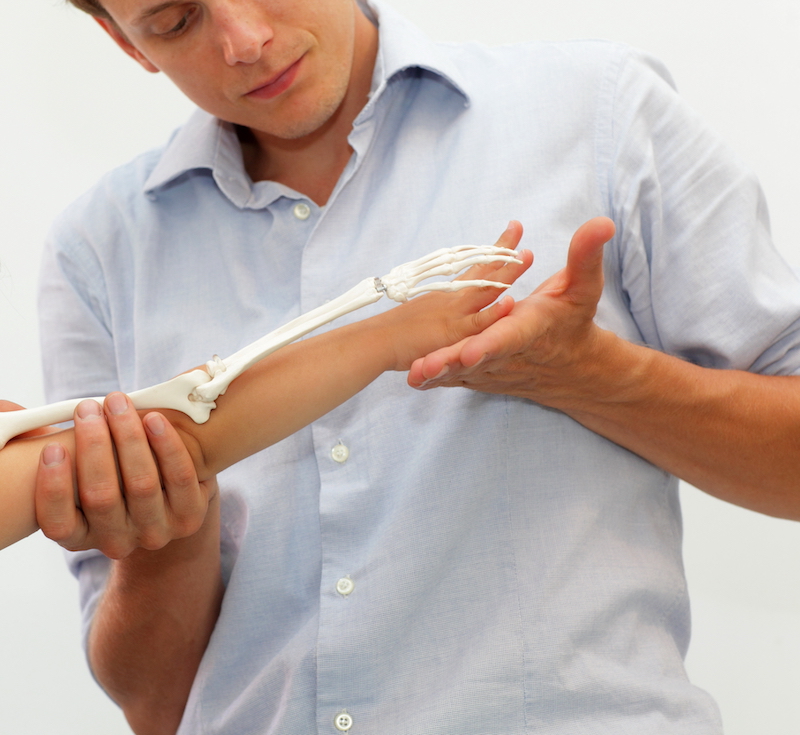
Author
-
 View all posts Lead Therapist | Occupational Therapist
Grace Bowyer is an occupational therapist treating the upper limb at Action Rehab with experience in paediatrics and community rehabilitation across Sydney and Melbourne. She has a strong interest in trauma and sports-related injuries and focuses on restoring function and confidence. Grace creates practical, client-centred rehab plans and enjoys swimming, Pilates, and supporting Carlton and the Manly Sea Eagles.